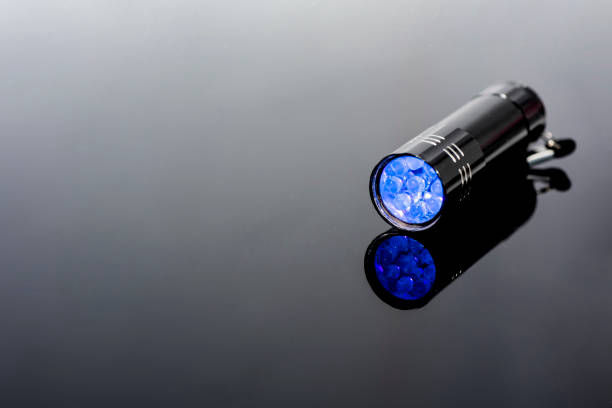
In an era where technology is advancing at an unprecedented rate, even the simplest of tools are undergoing transformative changes. One such innovation that has quietly but steadily been making waves is the printed torch. These ingenious devices are changing the way we think about illumination, and today, we'll delve into the fascinating world of printed torches exploring their design, applications, and the future they promise.
The Anatomy of a Printed Torch
Before we dive deeper into the world of printed torches, it's important to understand what makes them tick. Unlike traditional flashlights or torches, printed torches are not assembled from individual components; they are created through 3D printing technology. This innovation allows for greater flexibility in design and manufacturing. Here are the key components of a printed torch:
1. LED Module:
The heart of any torch is its light source, and printed torches are no different. They usually incorporate high-efficiency LED modules, which offer several advantages over traditional incandescent bulbs, such as energy efficiency, longer lifespan, and a wider range of color temperatures.
2. 3D-Printed Body:
The defining feature of printed torches is their 3D-printed construction. The body of the torch, including the casing, handle, and other structural components, is crafted using additive manufacturing techniques. This not only allows for unique and intricate designs but also ensures a lightweight and durable product.
3. Battery Compartment:
Printed torches are typically designed to accommodate rechargeable lithium-ion batteries, which can be easily replaced or recharged as needed. This ensures extended usability and minimizes environmental impact.
4. Control Circuitry:
Modern printed torches are equipped with sophisticated control circuitry that regulates the power supplied to the LED module, enabling users to adjust brightness levels and access various lighting modes, such as strobe, SOS, or even color-changing effects.
Applications of Printed Torches
The versatility of printed torches extends far beyond simple handheld illumination. These innovative devices find applications in various industries and sectors, showcasing their adaptability and potential impact on our daily lives:
1. Outdoor Adventures:
For hikers, campers, and outdoor enthusiasts, printed torches are a game-changer. Their lightweight design makes them easy to carry, and the bright LED illumination ensures safety and convenience during nighttime adventures.
2. Emergency Situations:
Printed torches are often equipped with emergency features like strobe and SOS modes. These capabilities are invaluable during power outages, natural disasters, or roadside emergencies, enhancing visibility and communication.
3. Artistic Expression:
The 3D-printed bodies of these torches are like blank canvases for artists and designers. Many creators are customizing torch designs, transforming them into functional art pieces that can be showcased in galleries or used as props in theater and film productions.
4. Industrial Use:
In industrial settings, printed torches serve as reliable tools for inspection, maintenance, and repair work. Their compact size and bright light make them indispensable for professionals working in tight or poorly lit spaces.
5. Education and STEM:
Printed torches are also making their way into educational institutions, where they serve as excellent teaching tools for STEM (Science, Technology, Engineering, and Mathematics) subjects. Students can learn about 3D printing, electronics, and product design through hands-on torch-building projects.